Bed Bugs: A Persistent Problem Easily Solved by Pest Control
Bed bugs have been a persistent nuisance for centuries, with evidence of infestations dating back to ancient civilizations. Though nearly eradicated long ago, these resilient pests have resurged due to increased travel and pesticide resistance. Modern pest control strategies now provide effective solutions to manage and eliminate bed bug infestations safely and efficiently. Understanding the behavior, habitats, and treatment options for bed bugs is essential for homeowners and businesses looking to protect their environments. Knowing what makes these pests so difficult to control sets the stage for exploring practical approaches, professional bug control interventions, and long-term strategies for maintaining a pest-free home or business. Early detection and awareness play a crucial role in preventing minor issues from developing into serious infestations.
Examine the Biology and Habits of Bed Bugs
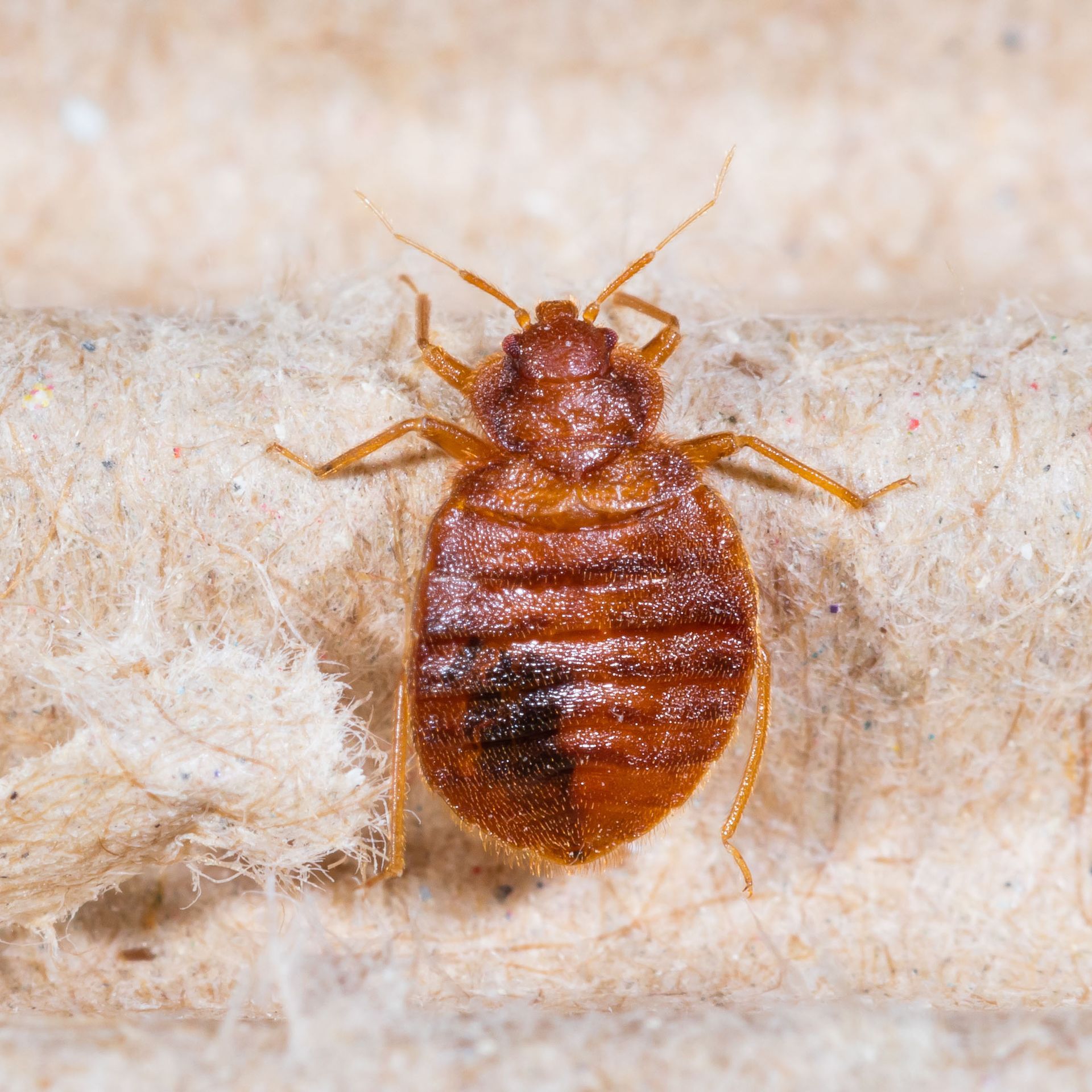
Bed bugs are small, flat, oval-shaped insects that excel at hiding in tight crevices and corners. Typically brown, they turn reddish after feeding on blood. Their flattened shape allows them to slip easily into bedding, mattresses, furniture, and even the smallest cracks in walls or baseboards. They progress through a couple of stages: egg, nymph, and adult. Females can lay numerous eggs over their lifetime, usually in hidden clusters. Nymphs must feed on blood before each of their molts to reach adulthood. Bed bugs are nocturnal parasites that feed exclusively on warm-blooded hosts. According to PestWorld.org, they usually require five to ten minutes to fully engorge with blood, often going unnoticed during this period. Their bites appear in clusters or lines, typically on arms, neck, or face, and the anesthetic in their saliva minimizes pain, allowing them to feed undetected. Understanding these habits is critical, as it allows homeowners and professionals to anticipate where bed bugs may hide and how infestations can spread quickly if left unchecked. Continuous vigilance and routine inspections are key components in early detection and effective pest control.
Recognize Common Habitats and Hiding Places
Bed bugs gravitate toward areas where people sleep or rest for long periods. Common hiding places include mattresses, box springs, bed frames, and headboards. They may also spread to couches, chairs, luggage, or even behind wallpaper and wall hangings. These spots offer convenient access to human hosts, making bedrooms, living rooms, and guest areas the focal points of infestations. One of the earliest indicators of an infestation is unexplained bites. Red, itchy marks often appear in zigzag patterns or lines. Small dark spots on bedding or mattresses may indicate droppings, while a faint musty odor resembling overripe raspberries may also signal their presence. Their ability to survive for months without feeding allows them to thrive in a variety of environments, from single-family homes to luxury hotels. Identifying these habitats early can guide effective pest control efforts and prevent a minor issue from escalating into a widespread infestation. Regular inspections, especially after travel or when introducing secondhand furniture, are critical to preventing bed bugs from establishing themselves unnoticed.
Assess the Impact of Bed Bug Infestations
Although bed bugs are not known to transmit diseases, their bites can cause significant discomfort. Scratching can lead to secondary infections, while allergic reactions may result in swollen, itchy welts. Psychological effects are equally notable, including stress, anxiety, and sleep disruption. Infested environments can affect concentration, emotional well-being, and overall quality of life. The economic burden can also be substantial. Homeowners may face replacement costs for furniture, bedding, and other personal items, while renters risk eviction if infestations are not properly addressed. Hotels, apartment complexes, and other businesses may experience loss of revenue, negative reviews, and reputational damage. Implementing professional bug control mitigates these health, emotional, and economic consequences, providing peace of mind and reducing the risk of long-term disruption. Proactive intervention ensures that infestations are contained quickly, preventing further spread within homes, multi-unit buildings, or public spaces.
Employ Traditional Methods for Handling Bed Bugs
Maintaining cleanliness and reducing clutter disrupts bed bug habitats and allows easier detection. Regular vacuuming, laundering bedding on high heat, and removing hiding spots are essential steps. Natural repellents, such as essential oils and herbal sprays, may deter bed bugs temporarily, while mattress encasements and sealing cracks restrict their movement. However, DIY remedies often provide only short-term relief and fail to eliminate eggs or hidden bugs. Misusing store-bought pesticides can also pose risks to humans and pets. While these measures support broader bug control efforts, relying solely on traditional methods rarely solves infestations completely. Integrating these steps with professional pest control strategies ensures a more comprehensive and effective solution. Combining cleaning and preventive steps with expert intervention also helps reduce the likelihood of reinfestation after treatment.
Engage Professional Pest Removal Services
Professional pest removal begins with a thorough inspection of affected areas. Technicians identify both visible and hidden signs of infestation, allowing for targeted treatment plans that account for all life stages of bed bugs. Advanced treatment options include heat treatments, which elevate room temperatures to levels lethal to both bugs and eggs, and Cryonite systems, which instantly freeze bed bugs on contact without chemicals. Specialized chemical treatments are also applied safely and effectively, ensuring comprehensive eradication. Professionals offer long-term monitoring and preventive guidance, including scheduled follow-ups and homeowner education, reducing the risk of re-infestation. Certified pesticides and environmentally friendly solutions balance safety and effectiveness, providing a responsible approach to bug control that protects residents, pets, and the surrounding environment. Having a professional partner also helps homeowners respond quickly to signs of new activity, minimizing potential damage and stress.
Leverage Technological Innovations in Pest Removal
Technological advancements in bug control have transformed how infestations are managed. Heat treatments and Cryonite provide chemical-free, highly effective eradication. Integrated Pest Management (IPM) combines monitoring, chemical, and physical approaches for sustainable long-term control. Pheromone-based traps, sensors, and smart devices enable early detection and ongoing surveillance, allowing timely interventions before infestations escalate. Digital monitoring provides real-time updates, improving decision-making and enabling professionals to tailor treatments to each specific situation. These innovations highlight how modern pest control can combine science, technology, and expertise to achieve better outcomes while minimizing environmental impact. Using technology alongside education and preventive measures creates a robust, multi-layered strategy for lasting pest management.
Implement Preventive Measures and Maintain Victory
Homeowners can reduce the risk of infestation by inspecting furniture, washing bedding on high heat, using mattress encasements, and reducing clutter. Travelers should carefully inspect hotel rooms, store luggage on elevated surfaces, and launder clothing immediately after returning home. Partnering with pest control professionals ensures ongoing inspections, timely treatments, and access to advanced solutions. This collaboration promotes proactive management, long-term prevention, and peace of mind. Public education campaigns and community awareness initiatives further reinforce preventive strategies, helping to reduce infestations across neighborhoods and commercial properties. Regularly updating knowledge about bed bug behavior and preventive practices empowers residents to maintain a safer, cleaner, and more comfortable living environment.
Review Successful Case Studies
Hotels and residential communities employing integrated pest control programs have reported significant reductions in bed bug infestations. Regular inspections, preventive treatments, and educational initiatives contributed to lasting results. In a residential program, consistent monitoring and professional treatments eradicated recurring infestations and improved resident satisfaction. Hotels using similar approaches saw fewer guest complaints and increased customer confidence. These examples illustrate that combining professional bug control services with proactive education and community awareness yields sustainable success against bed bugs. Long-term commitment and ongoing partnerships with professionals make the difference between recurring problems and lasting solutions.
Bed bugs remain a persistent challenge due to their adaptability and resilience. Professional pest removal services offer safe, comprehensive, and technologically advanced solutions to eradicate and prevent infestations. With knowledge, preventive measures, and expert support, infestations can be effectively managed and controlled. For long-lasting results, we encourage partnering with Bugman Pest Control, Inc., where we provide innovative techniques, attentive service, and proactive care to keep your home or business pest-free. Working with experienced professionals ensures a safe, effective, and lasting solution, so bed bugs never disrupt your environment again.



Share On: