Know These 3 Bugs That Make Pest Control a Challenge
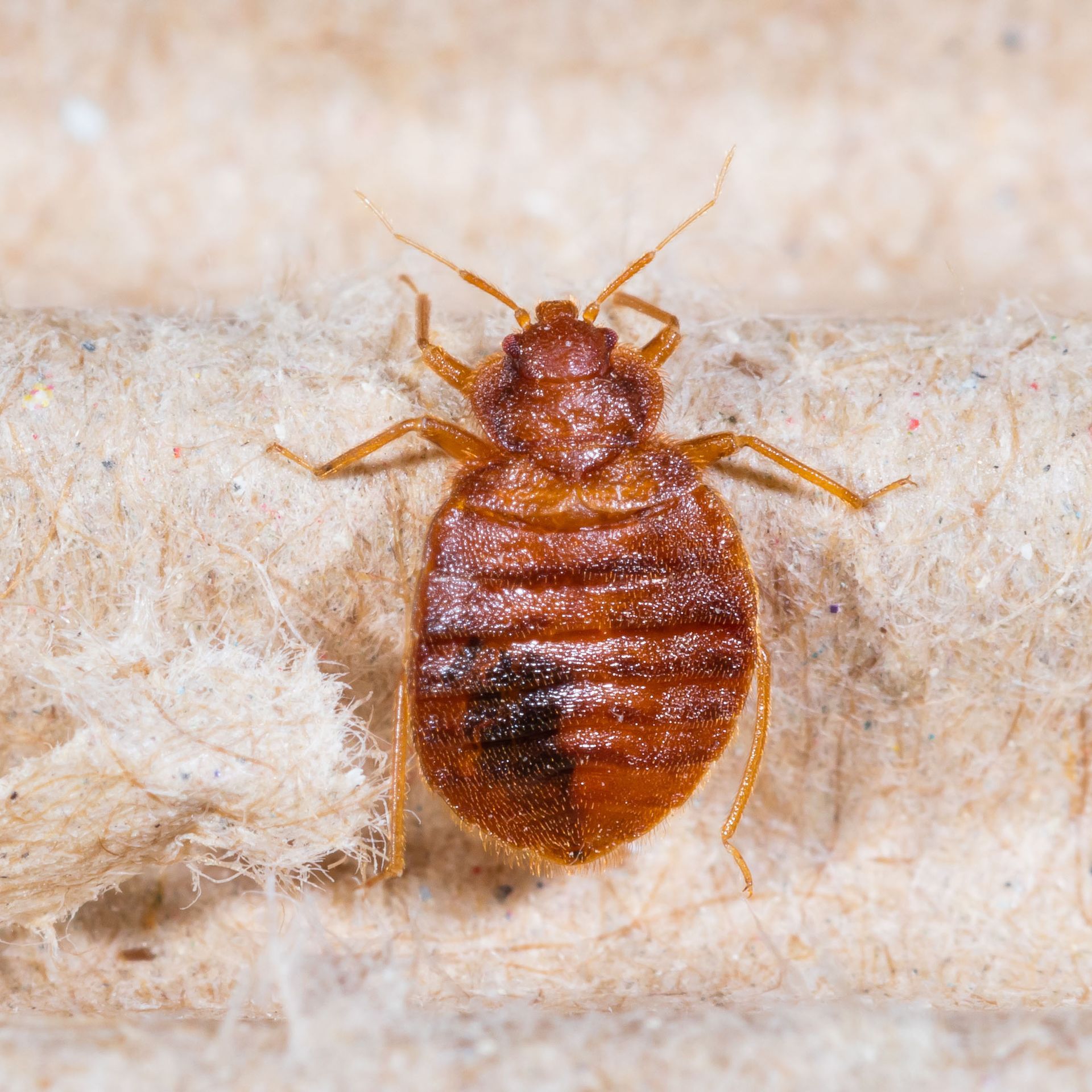
Understanding the various bugs that complicate pest control efforts is crucial to effectively managing them. Pest infestations can lead to significant health, structural, and financial impacts if not addressed properly. This article will explore the most challenging pests and the unique obstacles they present to pest control. By learning about these pests, one can better equip themselves with strategies to combat these nuisances. Pest control professionals face numerous challenges, and this article highlights the key pests and the difficulties associated with their control. According to Pestworld.org, more than 82% of pest control professionals treated bed bugs in the past year.
1. Ants
1.1 Common Types of Ants
Ants are one of the most common pests encountered in homes and businesses. Various species, including carpenter ants, odorous house ants, and pavement ants, exhibit distinct behaviors. Carpenter ants, for instance, are known for causing structural damage by nesting in wood. Odorous house ants are notorious for emitting a foul odor when crushed. Understanding the specifics of the ant species present is fundamental to developing an effective management plan.
1.2 Behavior and Colonization
Ants are social insects that form complex colonies consisting of workers, queens, and males. These colonies can expand rapidly, with some species forming supercolonies hosting millions of ants. Worker ants are responsible for foraging for food, which they bring back to the colony. This behavior makes ants highly adaptive to different environments, complicating control efforts. Colonization behavior varies by species, impacting how pest control measures should be applied.
1.3 Impact on Human Environments
Ants can be both nuisances and hazards in human environments. While most ant species are more of a nuisance than a health risk, carpenter ants can cause severe structural damage. Pavement ants can contaminate food, leading to sanitation issues in kitchens and food storage areas. Their persistence and ability to exploit small entry points in buildings add to the challenge of managing ant infestations. Understanding their impacts is essential in prioritizing pest control resources effectively.
1.4 Challenges in Eradication
One of the significant challenges in eradicating ants is their ability to develop resistance to common pesticides. Ant colonies can relocate if they detect threats, rendering traditional baiting methods less effective. Additionally, the queen's survival is crucial; if she is not eliminated, the colony can quickly regenerate. Multiple treatments and varying approaches may be required to address all stages of the ant lifecycle. Cooperation between property owners and pest control professionals is key in formulating a successful eradication plan.
1.5 Effective Control Strategies
Integrated Pest Management (IPM) plays a crucial role in effectively controlling ant populations. Strategies may include a combination of baiting, environmental modifications, and direct chemical applications. Identifying and sealing entry points can drastically reduce internal infestations. Regular monitoring and follow-up treatments are essential to ensure long-term control. Community awareness and education on sanitation practices can also support a reduction in ant populations around homes.
2. Cockroaches
2.1 Varieties and Identification
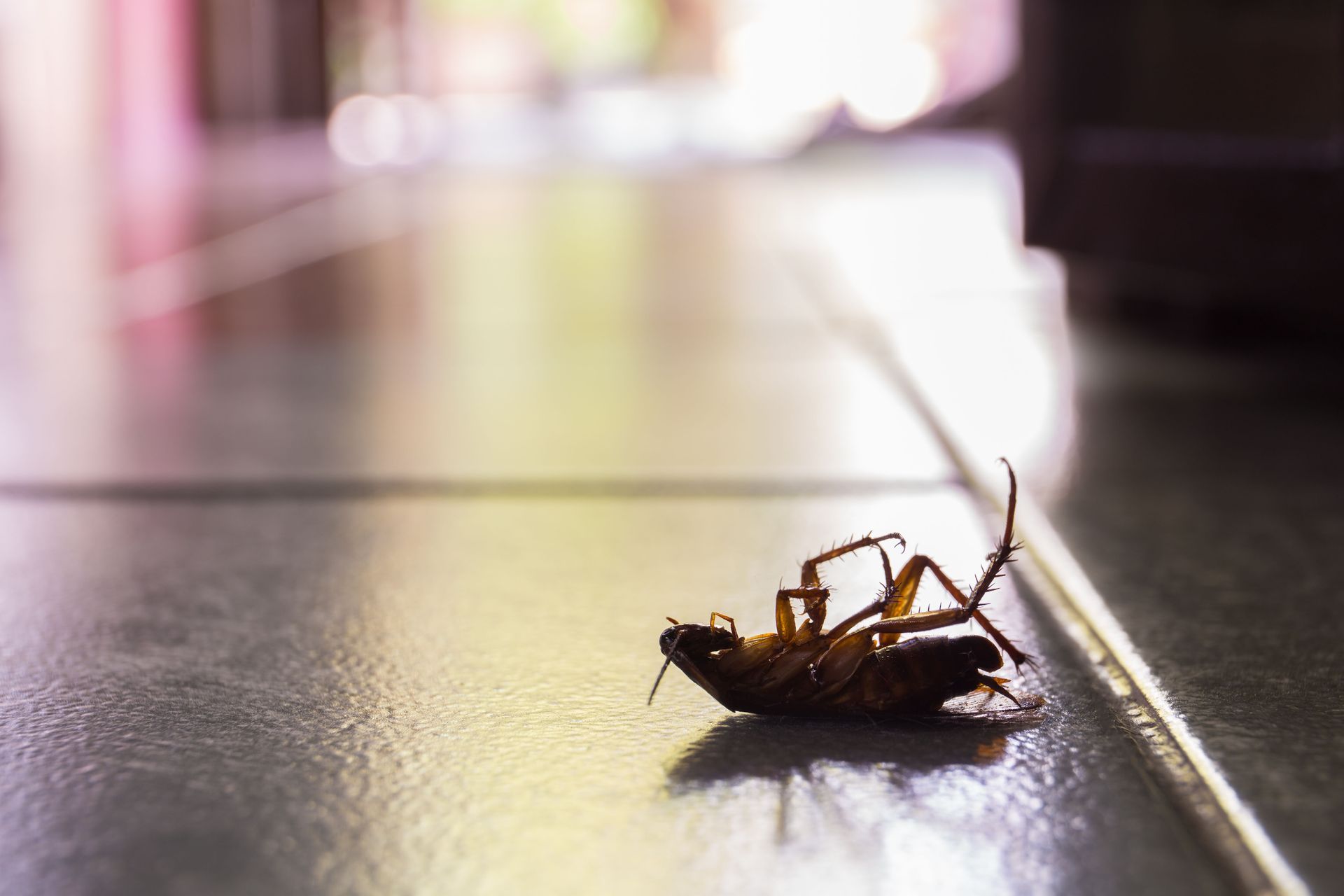
Cockroaches are known for their resilience and presence in urban areas worldwide. Some of the most common species encountered include the American cockroach, German cockroach, and oriental cockroach. Each species varies in size, color, and habitat preference, but all are adept at surviving in human dwellings. Recognizing the specific type of cockroach can help in choosing the most effective control methods. Accurate identification is critical, as different species require tailored pest management approaches.
2.2 Survival Mechanisms
Cockroaches possess remarkable survival mechanisms that allow them to endure in diverse environments. Their ability to live without food for a month and to withstand radiation levels lethal to humans exemplifies their hardiness. These pests can also reproduce quickly, creating serious infestations in a short amount of time. Cockroaches are nocturnal, often making it challenging to detect them until infestations are severe. Effective pest control requires understanding and disrupting the cockroach's lifecycle and breeding patterns.
2.3 Health Risks Associated
Cockroaches pose several health risks, notably contributing to allergic reactions and asthma in susceptible individuals. They are known to carry pathogens such as Salmonella and E. coli, which can contaminate food and surfaces. The saliva, feces, and shedding body parts of cockroaches can cause allergic reactions in many people. Due to these health risks, effective cockroach control is critical in residential and commercial settings. Prompt and sustained pest management efforts are necessary to mitigate these potential health hazards.
2.4 Common Infestation Areas
Cockroaches often seek out warm, moist environments close to food sources within human habitats. Kitchens, bathrooms, and basements are common infestation areas due to their accessibility to food and water. Hidden areas such as cracks, crevices, and behind appliances are also favored by cockroaches. Regular cleaning and maintenance can reduce the appeal of these areas, making them less hospitable for cockroach infestations. Monitoring hotspots and eliminating direct water and food access are key control measures.
2.5 Control and Prevention Methods
Effective cockroach control begins with a thorough inspection and identification of infestation sites. Baits, insecticide sprays, and traps are commonly used alongside environmental sanitation practices. Pest professionals often tailor their approach based on the severity of the infestation and specific cockroach species. Long-term prevention involves sealing entry points, reducing clutter, and maintaining hygiene to limit suitable habitats. Community cooperation and professional pest control services are vital in executing successful eradication strategies.
3. Termites
3.1 Termite Species Overview
Termites are among the most destructive pests, known for their ability to damage wooden structures. Common species include subterranean termites, drywood termites, and dampwood termites. Subterranean termites create extensive colonies underground and are responsible for the majority of structural damage. Drywood termites infest and consume dry wood, often found in attics and wooden furniture. Identifying the specific termite species is necessary for designing an effective management program.
3.2 Structural Damage Caused
Termites cause billions of dollars in damage annually by consuming cellulose found in wood and wood products. Subterranean termites often go undetected while causing serious structural damage to buildings. Over time, damage can compromise the integrity of wooden beams, flooring, and support structures. Visible signs such as warped wood, hollow sounds, and mud tubes are indicators of an active infestation. Early detection and prompt treatment are critical in minimizing potential structural damage.
3.3 Detection Techniques
Detecting termite activity often requires professional inspection due to their concealed nature. Techniques include visual inspections, moisture meters, acoustic emission devices, and infrared thermography. Early signs of infestation, such as frass (termite droppings), discarded wings, and mud tubes, should not be ignored. Regular inspections are recommended, especially in areas prone to high termite activity. Advanced technologies continue to improve detection accuracy, facilitating early intervention and management.
3.4 Management Challenges
Managing termites is challenging due to their high reproductive rates and concealed nesting behaviors. Traditional termiticide treatments may not reach colonies deep underground, requiring more comprehensive methods. Continuous monitoring and follow-up treatments are often necessary to ensure colony elimination. Homeowners and pest professionals must remain vigilant due to termites' ability to rebound even after treatment. Integrated approaches combining chemical and physical barriers provide a robust solution against termite threats.
3.5 Long-Term Solutions
Long-term termite control often involves a combination of preventative and reactive strategies. Chemical treatments such as liquid termiticides and baiting systems are common methods for existing infestations. Preventative measures include reducing moisture levels, maintaining proper ventilation, and removing wood debris. Soil treatments and physical barriers around building foundations can prevent subterranean termites. Contracting professional pest management services helps ensure comprehensive coverage and ongoing protection.
The pests discussed each present unique challenges to pest control efforts. Understanding their behavior, habitats, and impacts is crucial in formulating effective management strategies. Addressing these challenges requires a combination of scientific, technological, and community-focused approaches. As pests continue to adapt, innovation and collaboration across multiple disciplines will be essential. Future trends in pest management will involve integrating new technologies and approaches to mitigate these persistent challenges. If you're looking for professional pest control services, make sure to contact Bugman Inc. Pest Control & Tree Services today!

Share On: